
If you are the primary caregiver for a parent, spouse, or loved one this article is for you. And the first thing we want to say is this: what you are doing is extraordinary. Caring for someone you love, day after day, with everything else you are managing in your own life it is one of the most demanding things a person can do. And most people doing it receive almost no recognition for it.
But there is something important you need to know. Burnout among family caregivers is extremely common. And it does not announce itself clearly. It builds quietly, until the day you realize you are not okay.
What burnout actually looks and feels like:
- You are exhausted in a way that sleep does not fix
- You feel resentful, even toward the person you care for and then feel guilty about it
- You have stopped doing things you used to enjoy
- Your own health is suffering you are getting sick more often, not eating well, not exercising
- You snap at people more easily
- You feel trapped, with no clear end in sight
Why this matters for your loved one: When a family caregiver burns out, the quality of care they provide declines even when they are trying their hardest. This is not a character flaw. It is a physiological and psychological reality. Taking care of yourself is not separate from taking care of your loved one. It is essential to it.
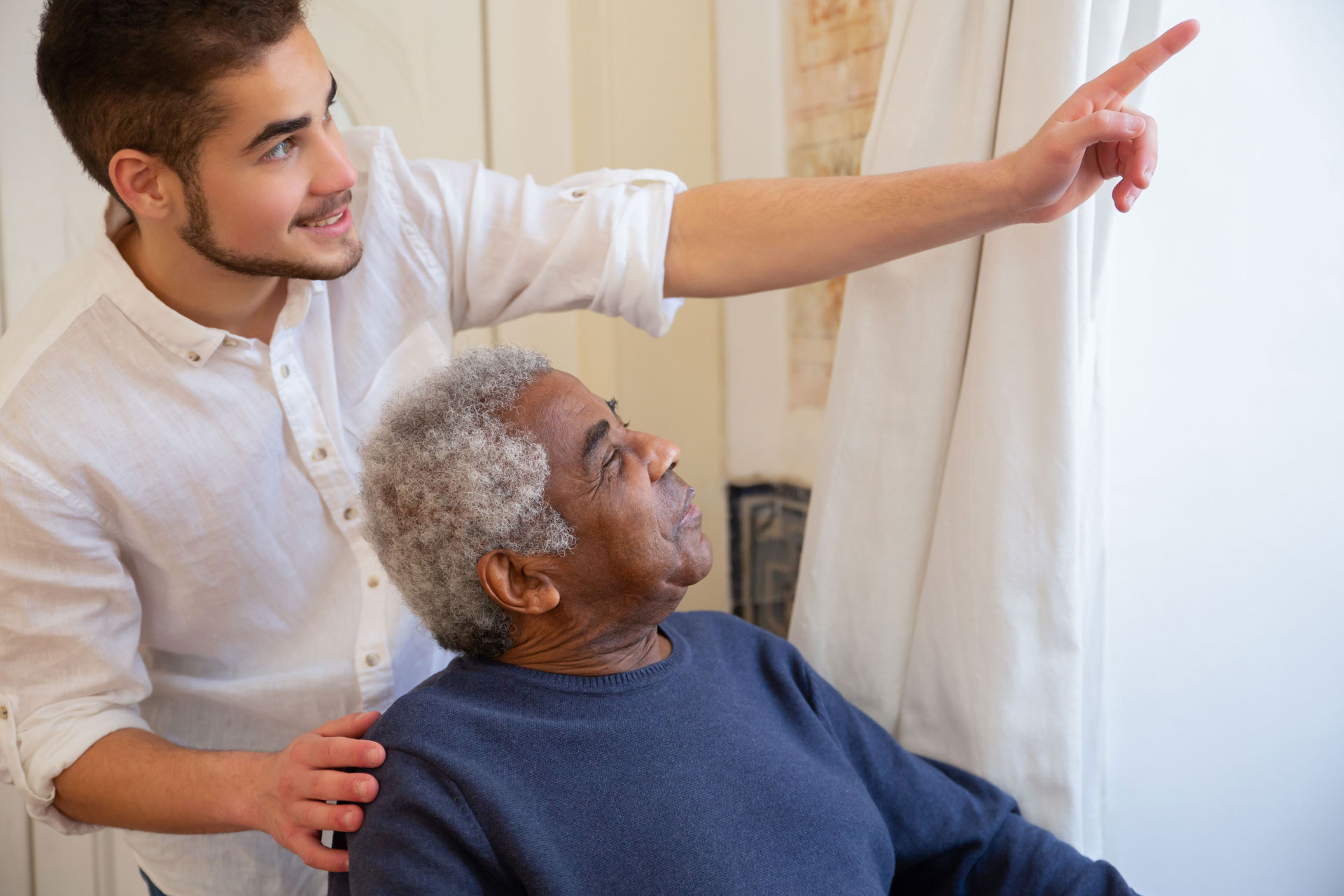
What respite care actually does: Respite care means having a trained, reliable home care aide step in for a set number of hours so you can actually rest. Not pretend to rest while worrying. Actually rest. Go to an appointment. Sleep a full night. Have a meal with a friend. Remember what your own life feels like.
At Elm, we provide respite care on flexible schedules a few hours, full days, weekends, or holidays. Every aide is trained and fully prepared before they arrive. You will not spend your time off worrying.
When to call: Do not wait until you are in crisis. Call before you are overwhelmed, while you still have capacity to make a clear decision. That is actually when it helps most.